
A blank page is only intimidating if you believe you have to fill it with something profound. You don't. The most useful journals are rarely eloquent; they are simply written in. If you have started a journal three times and abandoned it by Thursday each time, the problem was probably not your discipline. It was the size of the ask. Thirty days of small, specific entries will teach you more about keeping a journal than any grand intention to write a page a night.
This plan works on a simple principle: start so small that skipping feels silly, then expand only when the habit feels ordinary. Set a timer if you like, but the real measure is turning up.
Your only task for the first seven days is a single sentence. Not a paragraph, not a reflection, not a summary of your feelings. One line.
Write it at the same time each day, attached to something you already do without thinking. After your morning coffee. Last thing before you turn off the bedside lamp. The existing habit becomes the trigger; the line becomes the reward.
Keep it concrete:
If a line turns into three, fine. If it stays one line, also fine. You are training the act of returning, not the act of writing well.
Now extend each entry with one extra sentence that answers a follow-up question. If you wrote "the meeting drained me," the second sentence might be "next time I will ask for the agenda in advance."
This is where the journal starts doing quiet work. A single observation plus one honest response begins to show you patterns you would otherwise miss.
Start a page at the back of your notebook titled "Things I Keep Meaning to Think About." Jot half-formed ideas there when they surface. On days when you feel empty, open that page and write one sentence about whatever catches your eye. It is the cheapest cure for blank-page paralysis.
By the third week you can afford to slow down. Set aside ten minutes and try a loose three-part shape:
This structure suits almost any day, from a difficult conversation to an unremarkable Tuesday. It also keeps you honest. Facts, thoughts and intentions are different things, and separating them stops a bad afternoon from turning into a bad week's worth of entries.
Don't chase insight. If an entry ends with "I still don't know how I feel about this," that is a complete and legitimate entry.
With three weeks behind you, the habit has enough momentum to survive a little experimentation. Try one change at a time and keep it for at least three days before judging it.
Expect to miss a day. It will happen, and it means nothing. The rule is simple: never miss twice. One missed evening is an accident; two in a row is how a habit quietly dies.
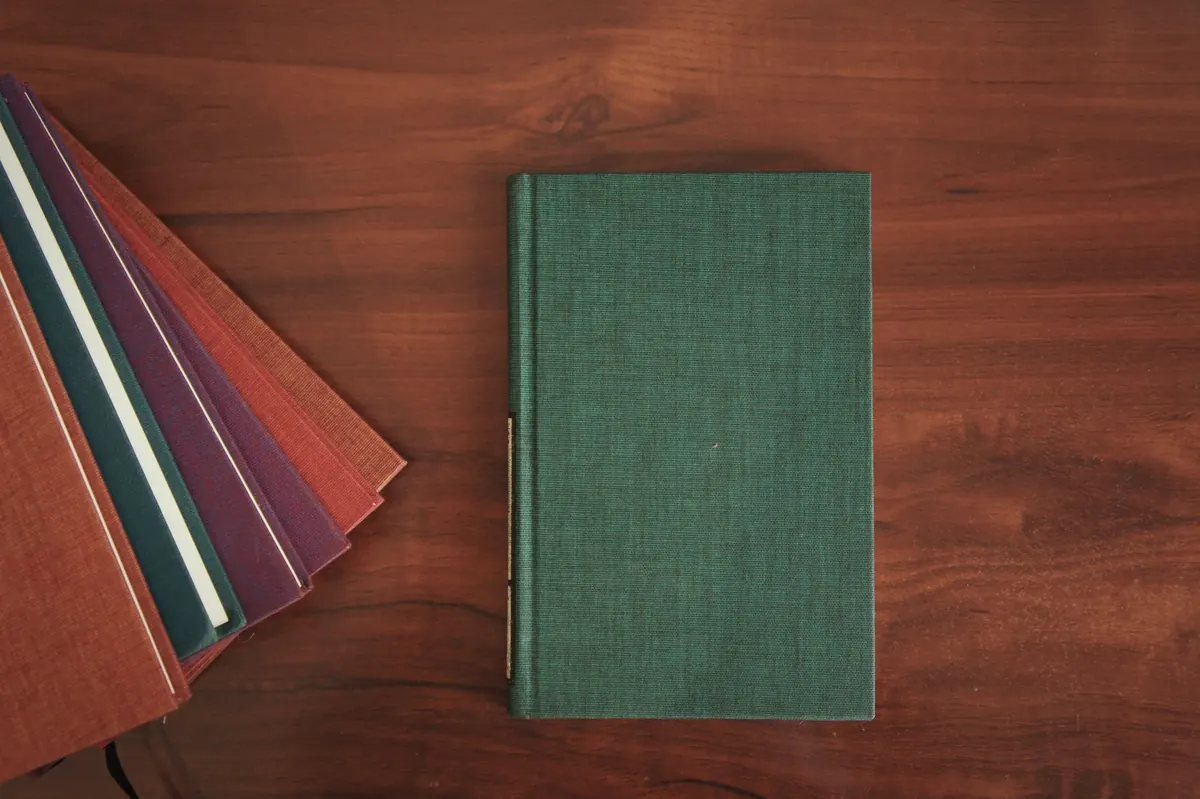
Almost any notebook works, provided it lies flat and does not make you nervous about spoiling it. A cheap exercise book encourages honest writing; a beautiful hardback sometimes encourages performance. Choose whichever one you will actually scribble in.
A pen you enjoy holding matters more than the paper. Keep both in one place, visible, with the notebook left open rather than zipped away. Friction is the enemy here, and even a small obstacle, such as a pen in another room, is enough to break a young habit.
If you prefer typing, that works too. Keep a plain document with dated headings and resist the urge to edit as you go. Editing belongs to a different activity.
One practical note on privacy: decide early who, if anyone, will read your journal. If the honest answer is "no one," say so out loud to yourself and write accordingly. Journals written for an imagined audience tend to go quiet.
Read back through the month in one sitting. You will notice three things: the days you forgot, which will be fewer than you feared; the themes that repeated, which you probably did not notice at the time; and one or two entries that still feel sharp.
From there, you can choose a format for the long term. Fifteen minutes on weekdays and a longer entry at the weekend suits many people. A daily line with a fuller entry once a week suits plenty of others.
Pick the version you can keep on a bad week, not the one that looks best on a good one. A journal that survives your busiest fortnight is worth more than a perfect one that stops in March.
Photo: Pexels / Pixabay

A practical, printable checklist for a journalling weekend away, covering notebooks, pens, ink, washi tape and the...

Grain direction decides whether paper folds cleanly or cracks, tears straight or ragged, and whether a bound book...
Hardcover and softcover journals compared on construction, durability, portability and writing comfort, with...

A journal for paper, ink, and craft.
